Conversational AI Positions Itself as Bridge Between Digital and Live Casino Tables
Katja Hoffmann · Oct 16, 2026
Conversational AI Positions Itself as Bridge Between Digital and Live Casino Tables
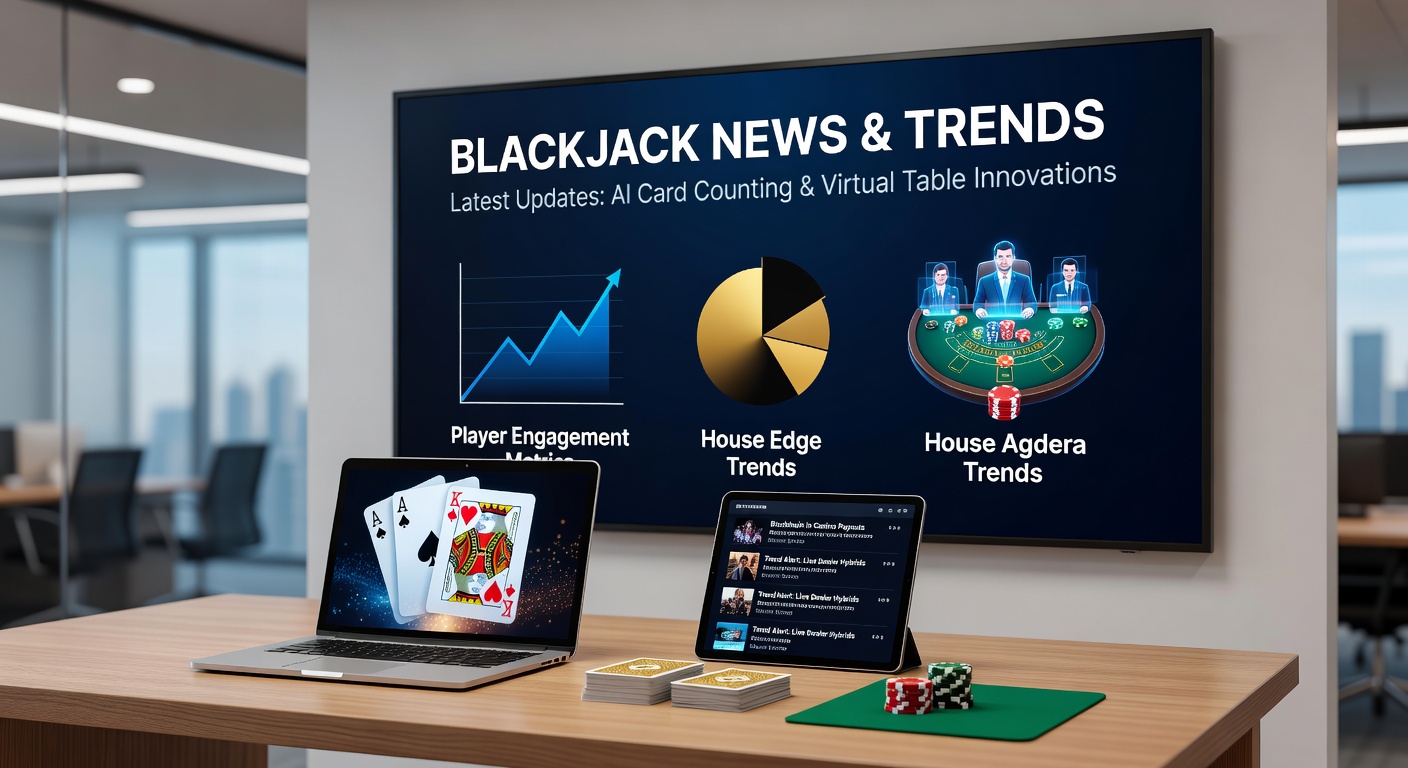
SCCG Management released its analysis in October 2026 examining how conversational artificial intelligence is establishing a distinct middle ground in casino gaming, one that sits between fully automated RNG slots and tables on one side and traditional live dealer formats on the other. The report outlines specific ways this technology layer adds interaction without displacing existing offerings, and it points to measurable growth trajectories across the broader conversational AI sector. The analysis describes an emerging category that allows operators to deliver personalized engagement through AI-driven avatars while maintaining the structural integrity of standard game rules. According to the findings, these systems handle memory of player names, adjust dialogue based on prior exchanges, and sustain conversation threads that extend past basic bet prompts or outcome announcements. This approach keeps the core mechanics of blackjack or table games intact yet layers on elements that address player retention in digital environments.ICONIC21 Applies the Model Through iDealer and Boulevard Variants
ICONIC21 has integrated the described framework into its iDealer Blackjack and Boulevard Blackjack products, both of which rely on RAVATAR technology to generate transparent AI avatars. These avatars operate with visible indicators that distinguish them from human dealers, a design choice the analysis highlights as central to regulatory and player acceptance. The avatars retain session details such as preferred greetings or recurring topics from earlier play, then incorporate those details into ongoing exchanges without altering payout structures or shuffle protocols.
Market data referenced in the report shows conversational AI solutions expanding at rates that outpace several established gaming technology segments. Projections indicate continued adoption in regulated markets where operators seek differentiation between fully automated RNG experiences and staffed live tables. The intermediate positioning allows venues to allocate staff resources toward high-limit or high-traffic areas while using AI avatars to service mid-tier tables that still benefit from conversational depth.
Complementary Role Rather Than Replacement Strategy
The SCCG piece stresses that conversational AI implementations function alongside live dealer offerings rather than as substitutes. Operators maintain physical tables for players who prefer human interaction, while the AI layer serves digital and hybrid channels where staffing constraints or volume considerations make constant live coverage less practical. This dual-track model appears in the documented cases from ICONIC21, where both variants are presented as extensions that complement existing live product lines.
Transparency features receive particular attention in the analysis. Because the avatars carry clear labeling and operate under defined parameters, players receive consistent information about the nature of the interaction. The report notes that this clarity supports compliance frameworks across multiple jurisdictions and reduces ambiguity that might otherwise arise when automated systems mimic human behavior too closely.
Market Growth Context and Industry Positioning
Broader conversational AI market forecasts cited by SCCG Management indicate sustained expansion driven by improvements in natural language processing and memory retention capabilities. The casino gaming application represents one vertical within that larger trajectory, with the intermediate category positioned to capture demand from players who seek more engagement than RNG delivers yet operate in environments where live dealer access remains limited or scheduled.
Industry observers tracking October 2026 developments have noted parallel interest from equipment suppliers and platform providers seeking to license similar avatar systems. The SCCG analysis connects these movements to documented revenue patterns in digital table games, where retention metrics improve when interaction depth increases without changes to core game mathematics.
Conclusion
The SCCG Management report frames conversational AI as a structural addition to the casino gaming spectrum rather than a disruption. Through documented examples such as ICONIC21's iDealer Blackjack and Boulevard Blackjack implementations, the analysis illustrates how transparent avatars using RAVATAR technology deliver name recognition, adaptive dialogue, and extended engagement while preserving live tables as a distinct offering. Market growth projections for conversational AI overall provide the backdrop for these casino-specific applications, showing operators a pathway to expand service options across automated and staffed formats.